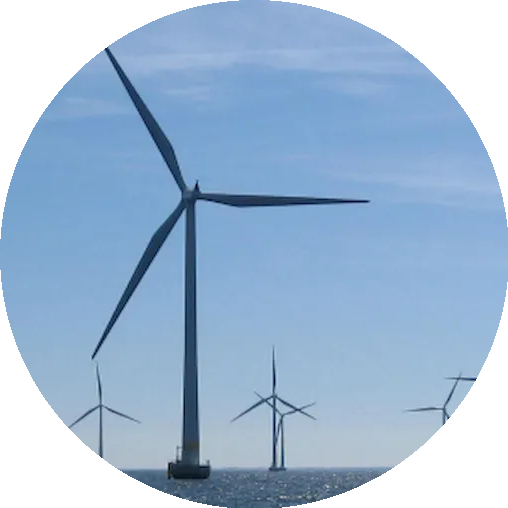
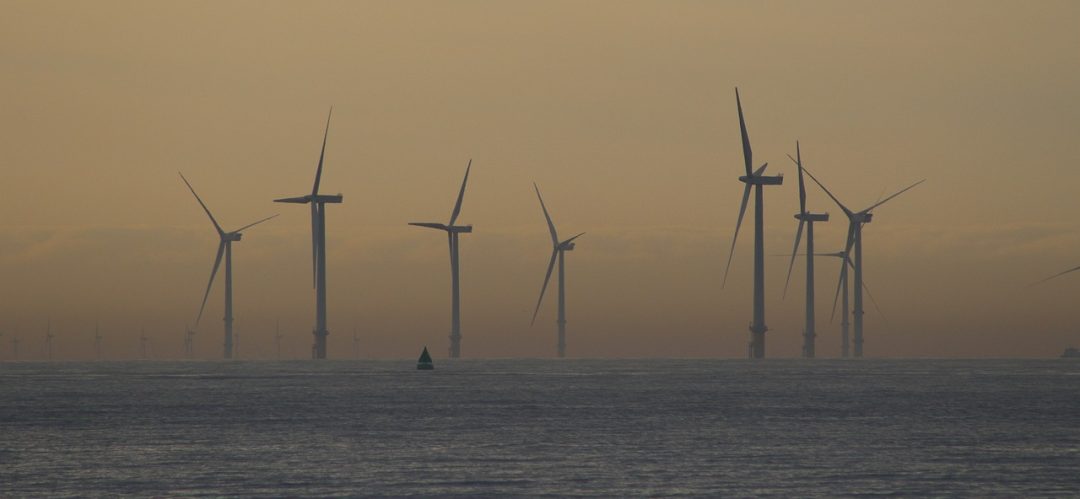
The development of offshore renewable energy and the transition to a low carbon economy to contribute to climate change mitigation is one of the main objectives of the Blue Economy, and the UN’s Sustainable Development Goal 13 (SDGs 13) – Take urgent action to combat climate change and its impacts. Local energy development, however, is often considered with skepticism from local populations. Offshore wind energy projects could have positive and negative environmental and socio-economic impact. Therefore, understanding and mitigating the negative externalities of wind farms is crucial in the phase of planning.
In addition, all EU countries have a legal obligation to create marine spatial plans which might include renewable energy plans, subject to strategic environmental assessment. Maritime Spatial Planning has a crucial role to play in addressing how conflicts between sectors, including OWFs, are managed.
The latter is important, especially in Greece which is at an early stage of its national program for the development of offshore renewable energy farms, and where no legally binding national Maritime Spatial Planning has been implemented yet; despite the obligation of the country to comply with the Directive 2014/89/EU which focuses on the creation of a common framework for maritime spatial planning in the European Union.